Traceable
Each test records sample version, tester, time, action mode and notes for design-history review.

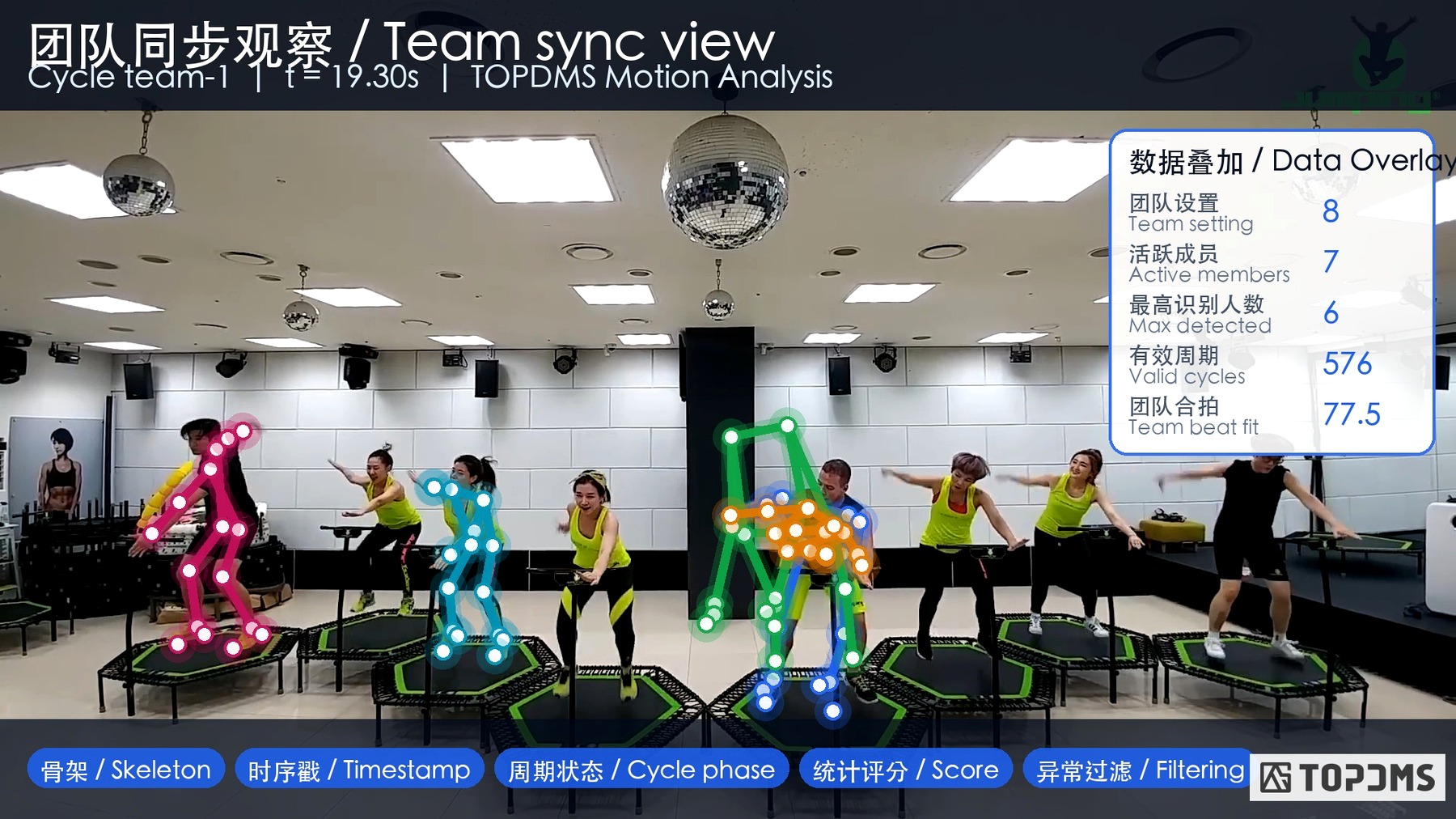
X-Jump Design Validation System
Where every bounce becomes design data.
X-Jump moves trampoline prototype testing from subjective feel toward a recordable, comparable and reviewable development workflow. Trampoline Lab connects video pose, motion timing, jump cycles, rhythm fit and future IMU data so product teams can see whether a structural change truly changes the experience.
Validation Philosophy
Trampoline Lab keeps sample ID, tester, raw video, pose frames, events, segments, overlay video and PDF reporting inside one session, so every review can return to the evidence behind the claim.
Each test records sample version, tester, time, action mode and notes for design-history review.
Pose frames, takeoff, landing, cycles and future IMU samples are designed around one shared timeline.
Cycle averages, variability, pauses, excluded cycles and beat-fit scores help compare sample behavior.
Workflow
Use iPhone Continuity Camera, browser recording, local videos or raw on-site capture.
Lock test ID, product model, prototype version, tester, action type and project notes.
Extract pose landmarks, action events, jump cycles, phase segments and overlay videos.
Inspect synced videos, key frames, structured JSON, PDF reports and comparison data.
Feed findings back into frame geometry, bungee systems, handlebars, folding structures and rulesets.
Software Modules
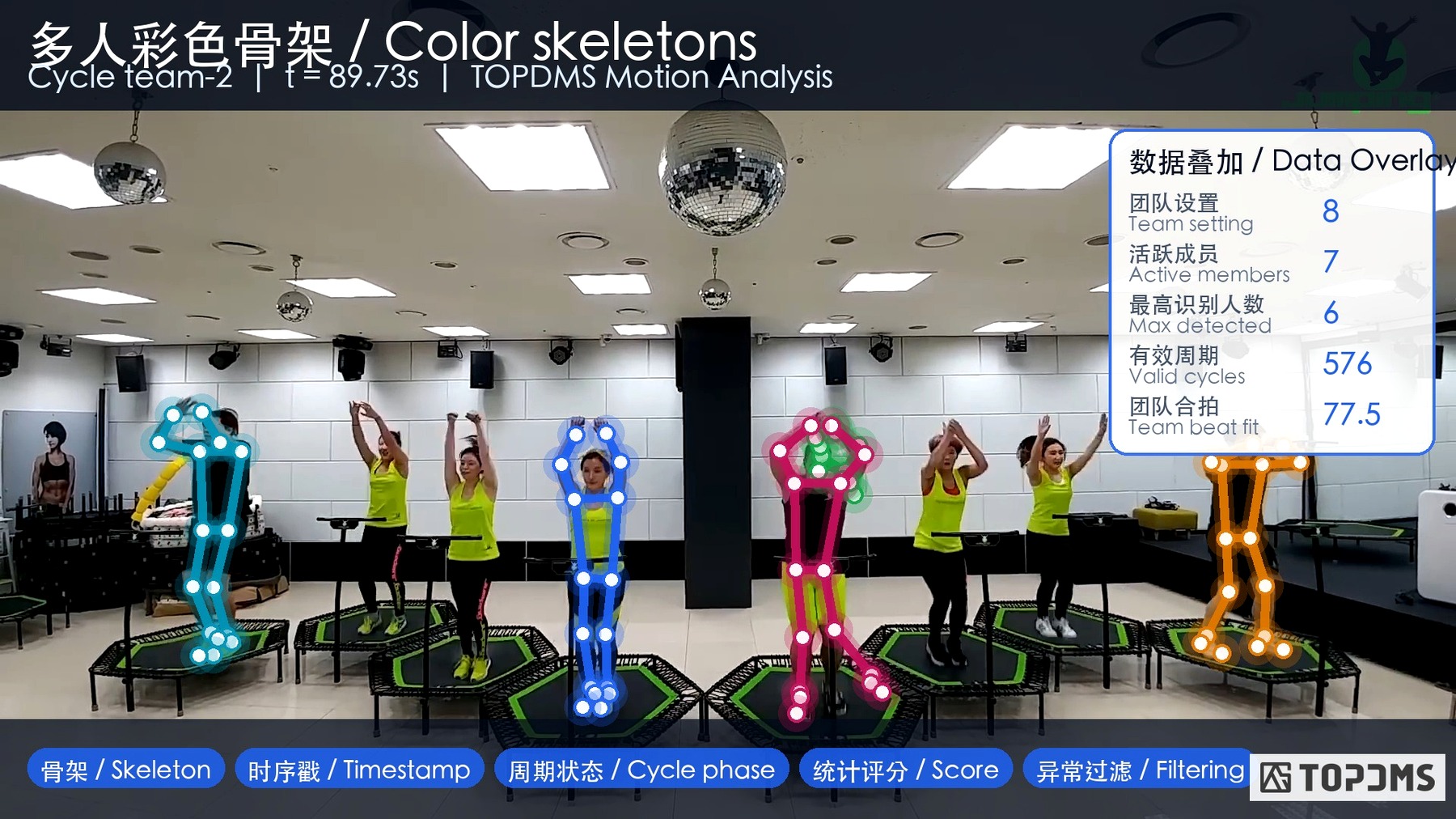
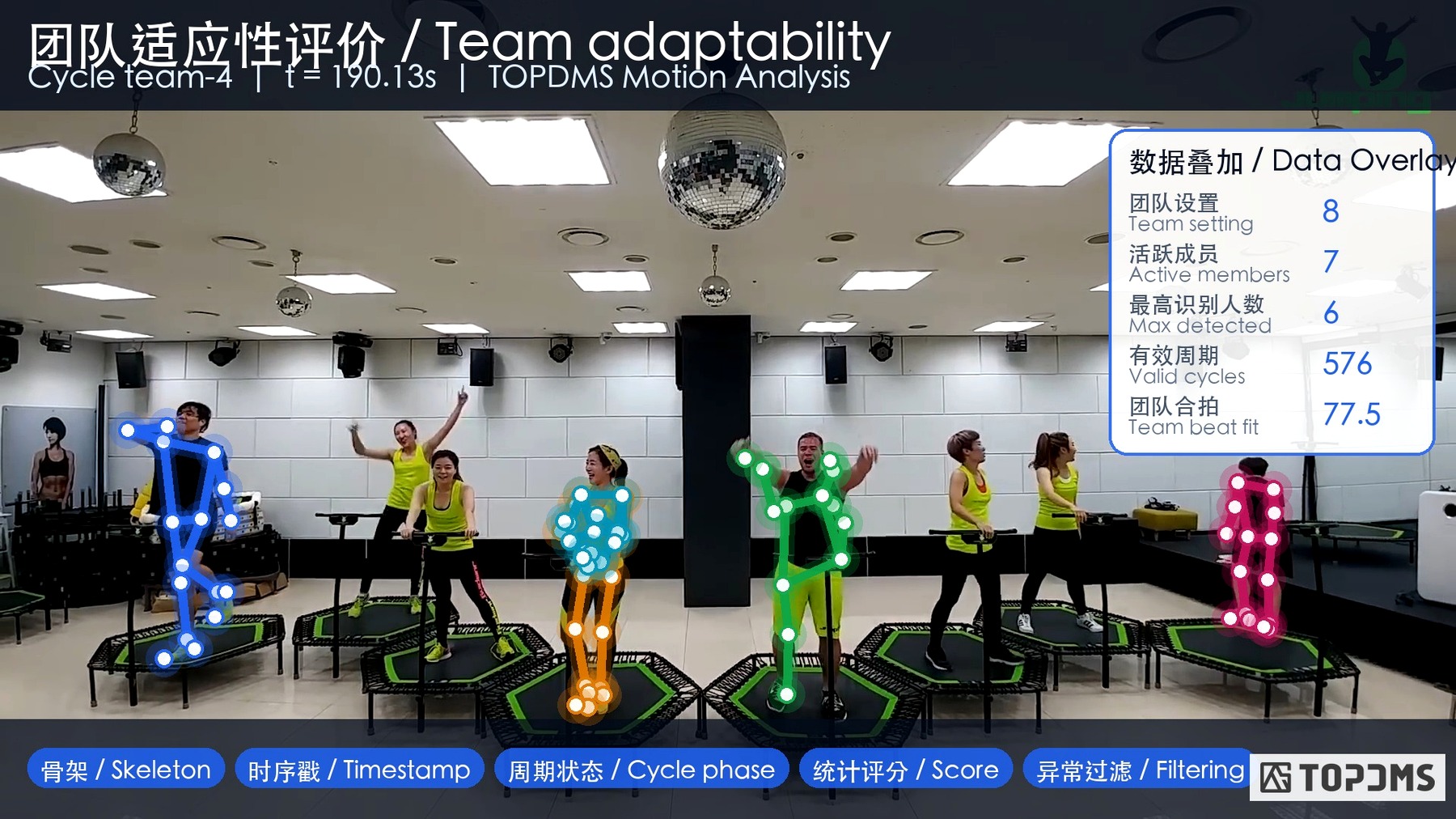
Team mode visualizes multiple rebounder users with color-coded skeletons, phase states and detection data.
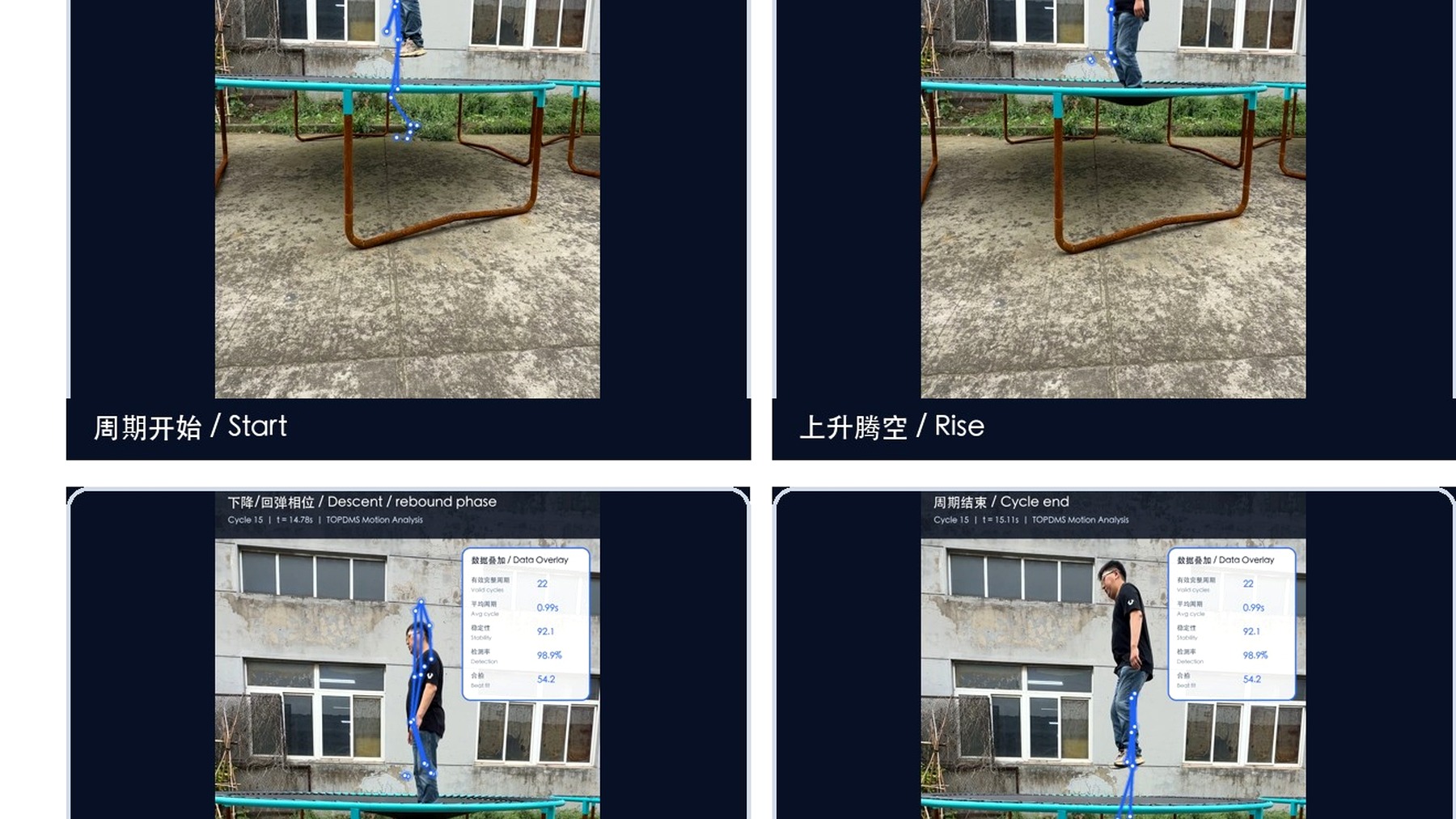
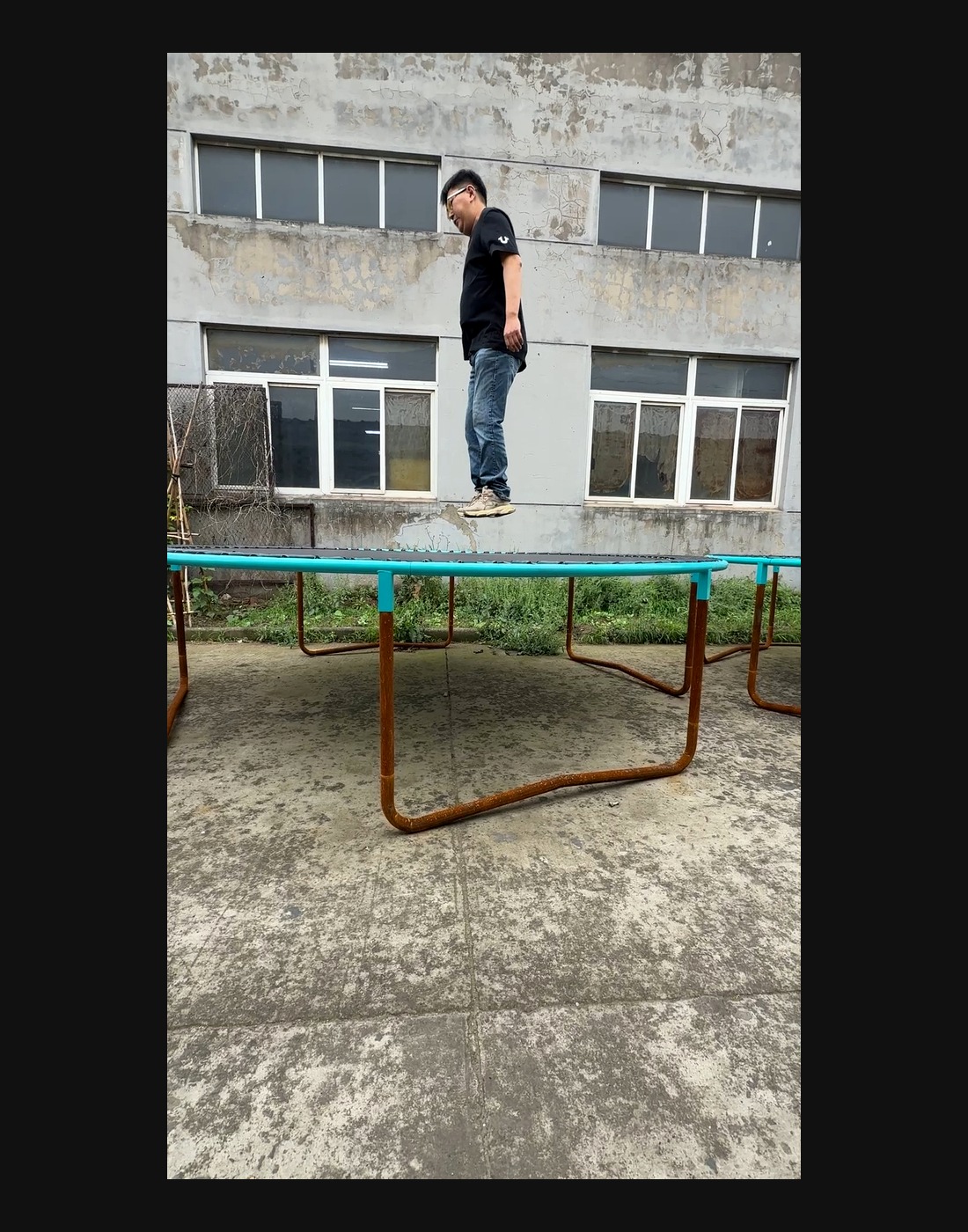
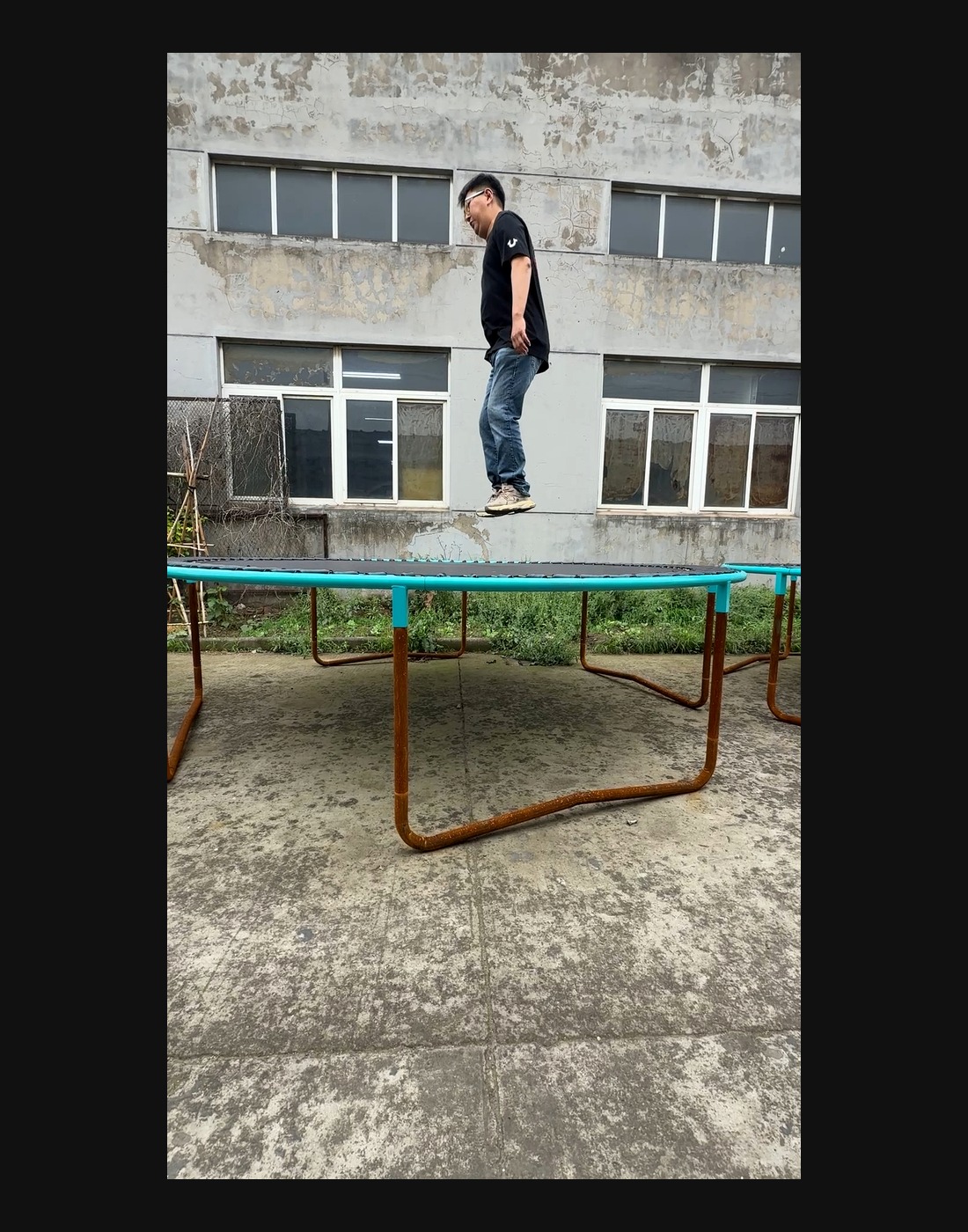
Sequential overlay frames reveal takeoff, rise, descent and landing so rebound cycles can be checked visually.
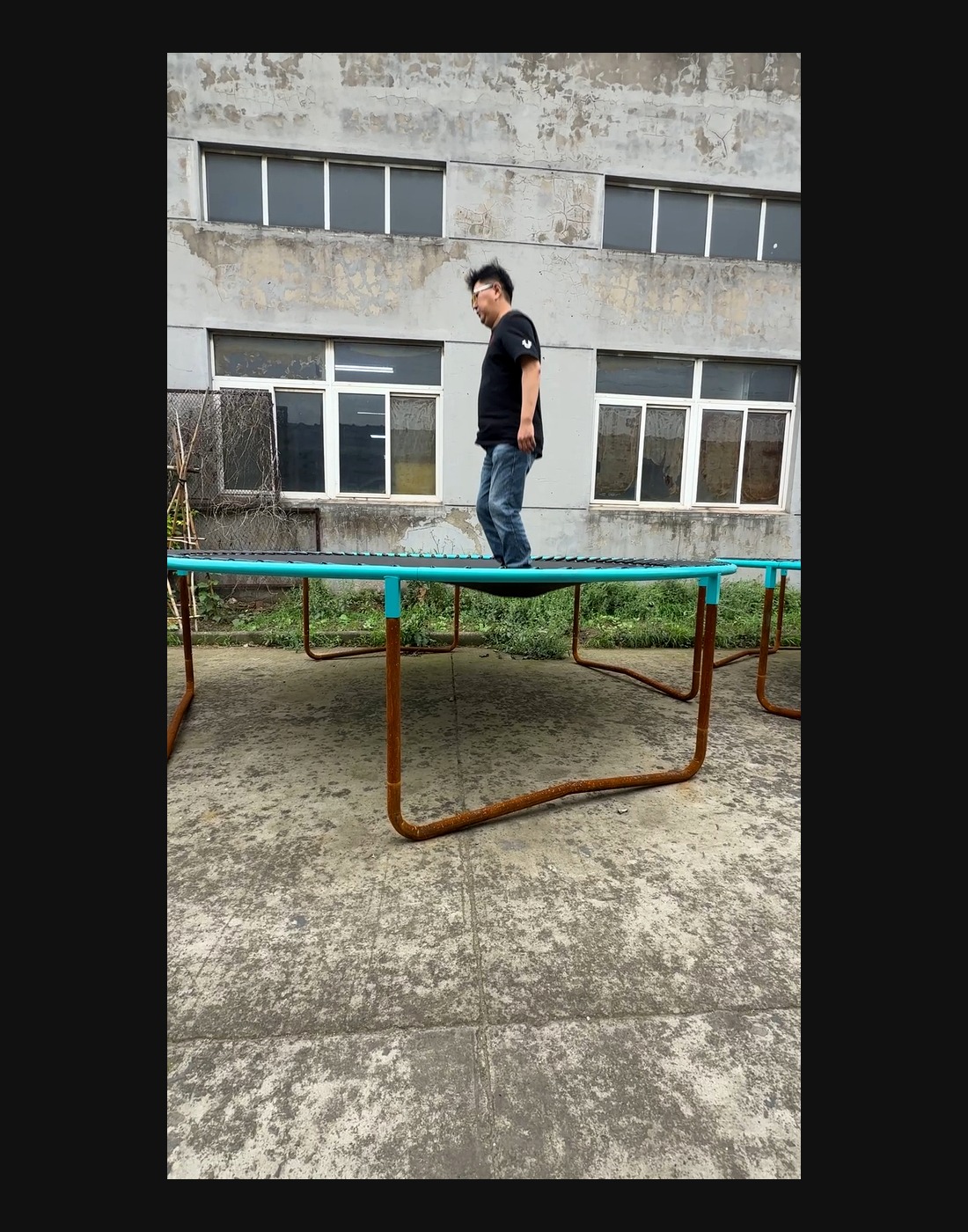
Report key frames combine timestamp, event state, pose and metrics in one reviewable image.
Data Timeline
A trampoline cannot be judged by static specifications alone. Trampoline Lab connects motion cycles with product structure so rebound experience can be reviewed instead of guessed.
Pipeline
Architecture diagrams and report screenshots are used internally to keep product discussions grounded in repeatable records.
Metrics
| Jump-cycle stability | Complete cycles, average cycle time, variability and excluded cycles show whether rebound rhythm is repeatable. |
| Contact and airtime | Compression, rise, descent and landing phases help explain suspension response. |
| Beat fit | Fitness rebounders can be compared by how closely cycle endpoints match music beats. |
| Team synchronization | Color-coded multi-person overlays and detection rates support group-fitness scenarios. |
| IMU product feel | Ankle, knee, hip and chest sensor positions are reserved for future impact and stability analysis. |
| Report clarity | PDF, overlay video and snapshots help engineering, sales and customers discuss the same evidence. |
Examples
Overlay frames make motion timing and posture quality easier to discuss across engineering and commercial teams.
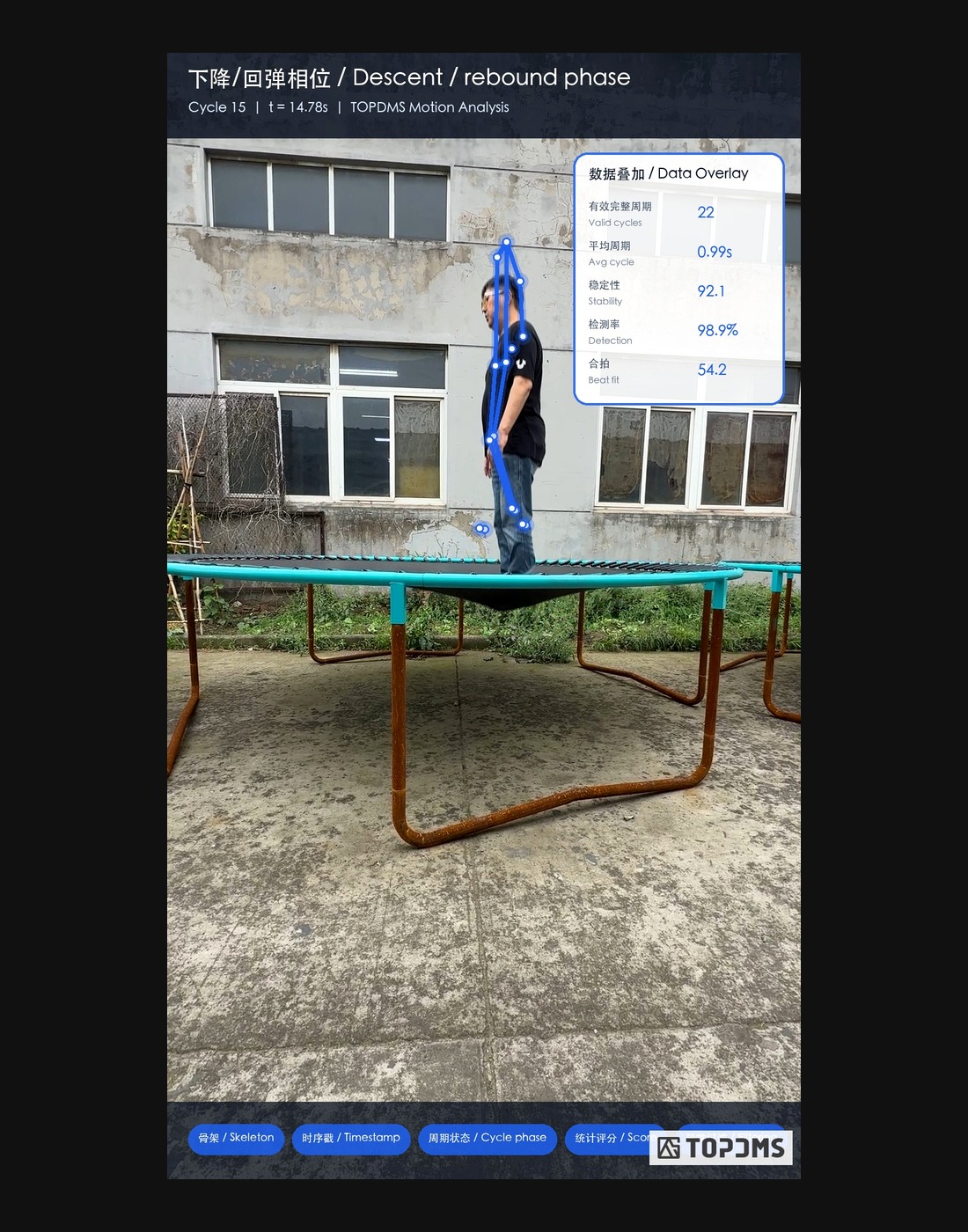
Scores support comparison, while final product decisions still combine evidence, user feedback and formal testing.
Four-position IMU planning prepares future product-feel analysis around impact and stability.
Product Lines
Kids products focus on low entry height, stable movement, soft contact and parent-reviewable details.
Fitness products focus on controlled rebound, bungee tension, rhythm stability, handlebar usability and folding storage.
Backyard products focus on enclosures, entry systems, outdoor structure, multi-user behavior and long-term durability.
Evidence Boundary
Trampoline Lab is an internal product-experience R&D and sample-comparison tool. It supports design review and engineering decisions; it does not replace EN / ASTM certification testing, and external videos without synchronized capture are not treated as real IMU conclusions.
Tell us your target market, structure direction and sample stage. X-Jump can bring Trampoline Lab thinking into product-development discussions.
Send Inquiry